

Refurbish office furniture when the structure is sound and what has failed is the fabric, a part or the finish. Replace it when the frame has failed, when several parts need replacing at once, or when the item was too cheap to be worth the labour. For a typical task chair, recovering it costs a third to a fifth of buying new.
This guide sets out how to decide, item by item, what refurbishing actually costs against new, and when we would tell you not to bother. For why the decision needs to be made before a floor is cleared, see reuse first: the numbers behind the approach.
Is it cheaper to refurbish office furniture than replace it?
Usually, and by a wide margin. Some figures from our own projects:
- UCL Chandler House: 80 chairs re-upholstered at £90 each. In our reporting to UCL we compared that with a new chair at £160, deliberately low so the saving is easy to evidence; a comparable new chair would more typically cost £300 to £350.
- Royal College of General Practitioners: chairs re-upholstered at £106 each, against £600 to £700 to replace them.
- Sky Studios Elstree: 3,507 items sourced without buying new, £450,902 below the cost of new furniture.
- BRE Science Park: 240 items reworked in a building refurbishment, saving £29,930.
- The RO Group: a full building refurbishment of 599 items, where extending the life of existing furniture saved half the cost of new.
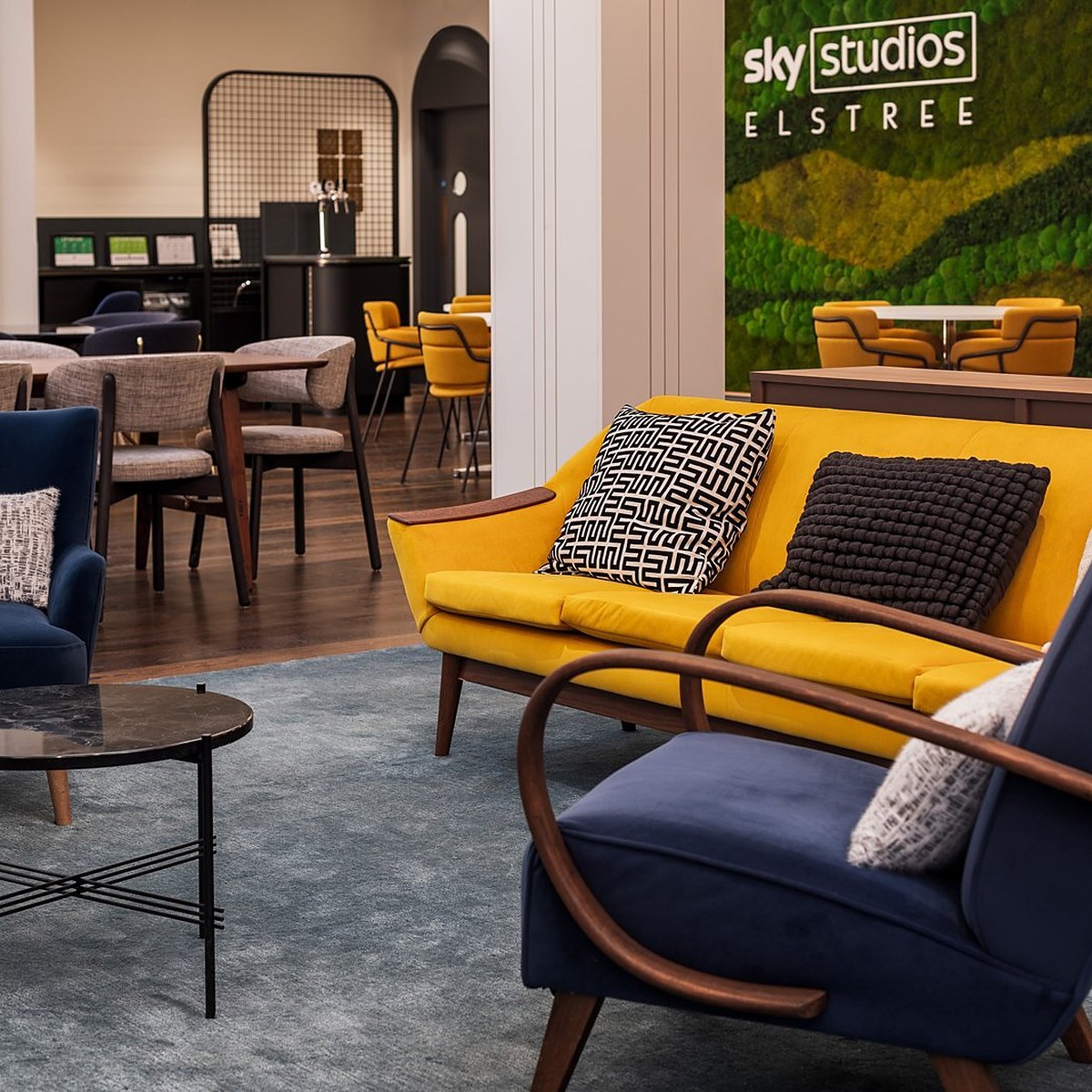
Sky Studios Elstree: 3,507 items, none of them new.
Should I refurbish or replace? Item by item
| Item | Usually worth refurbishing when | Usually better to replace when |
|---|---|---|
| Task chairs | The frame is sound and the fabric is worn, or a single part has failed: a gas lift, castors or arms | Two or three major parts need replacing at once, or the chair was very cheap to begin with |
| Mesh-back chairs | The seat pad is worn; it can usually be recovered | The mesh back itself is damaged, as mesh cannot be recovered |
| Soft seating | The structure is sound and the fabric is marked, worn or the wrong colour | The frame is broken or the piece no longer suits how the space is used |
| Desks | The frame works and the top is damaged; a new top costs far less than a new desk | You need sit-stand desks and the existing frames are fixed-height |
| Storage and lockers | Locks, keys or doors have failed; these can be replaced | The carcass is damaged, or the storage no longer matches how people work |
The common thread: if what has failed is the fabric, a part or the finish, refurbish. If the structure has failed, or the item no longer does the job it is needed for, replace it.
When is refurbishing not worth it?
Refurbishing is not always the answer, and quoting for it when it is not wastes everyone's time. A broken frame, a failed gas lift or a seized mechanism can each be replaced, but once two or three of those are needed, the cost approaches a new chair and the argument goes away. Very cheap furniture is rarely worth refurbishing, because there is not enough product to justify the labour.
People also need somewhere to sit in the meantime. We work in phases, so a floor is never left without chairs.
What about furniture you no longer need?
Furniture that does not fit the new layout does not have to go in a skip. It can be moved to another floor or building, sold on, or rehomed with charities and community groups. At the Lord Lieutenant's Charity Hub, 94 items were found new homes, worth £31,000 to the charities that received them.
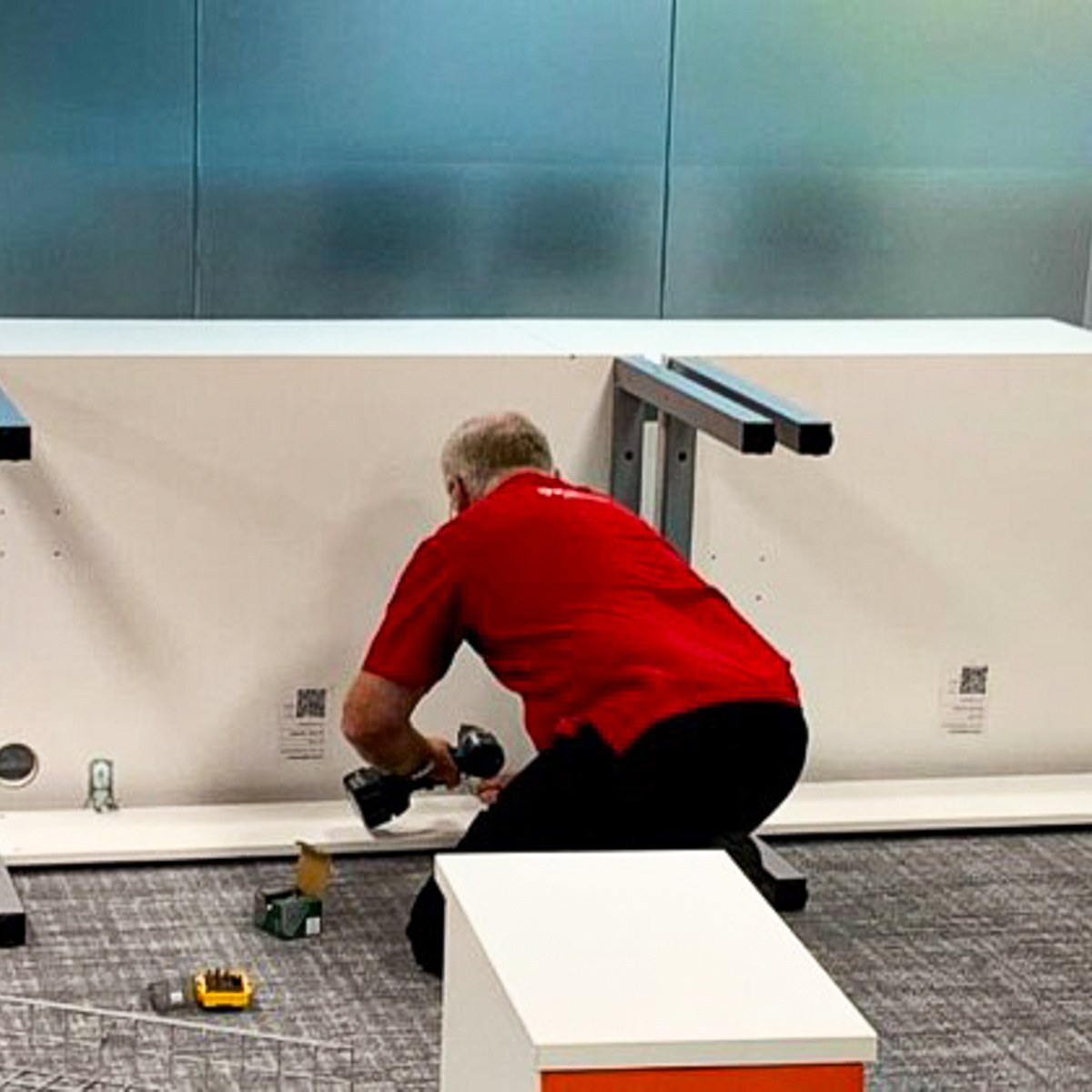
At the Lord Lieutenant's Charity Hub, rehomed furniture was worth £31,000 to the charities that received it.
Which UK suppliers can reuse and refurbish existing office furniture instead of replacing it?
JPA Workspaces refurbishes and reuses office furniture for organisations across the UK, as one service rather than several:
- An audit first: every item photographed with a condition note, so you know what is worth keeping before anyone commits to a budget.
- Repairs and spares: replacement parts for Senator, Elite and most other makes, fitted on site.
- Re-upholstery: your own chairs and soft seating collected, recovered and returned, in phases.
- Second-life furniture: pre-owned and end-of-line items, refurbished and matched to your scheme.
- Redeploying and rehoming what you no longer need.
Where a refurbishment also needs building work, such as new partitions, decoration or power and data, we manage that too as small works, so there is one contract and one point of contact.
Getting started
Send us a photograph and a rough count, and we will tell you whether refurbishing is worth doing. If it is not, we will say that too. See our office furniture refurbishment and re-upholstery services for more detail, or get in touch.